Leonardo adds FLUX 3 Video, with sound generated in one pass
By Steven Van ·
The 20-second clips keep character consistency across chained shots and support lip-synced dialogue in over 14 languages.
Leonardo.Ai has added FLUX 3 Video to its platform, bringing Black Forest Labs' first video model to one of the most popular creative AI suites. The headline capability is generation in a single pass: picture and sound come out of one prompt together, no separate audio step, no bolting a soundtrack on afterward. Clips run up to 20 seconds, and the model is built for exactly the kind of work short-form creators actually do, narrative sequences with recurring characters and atmospheric pieces that live or die on mood.
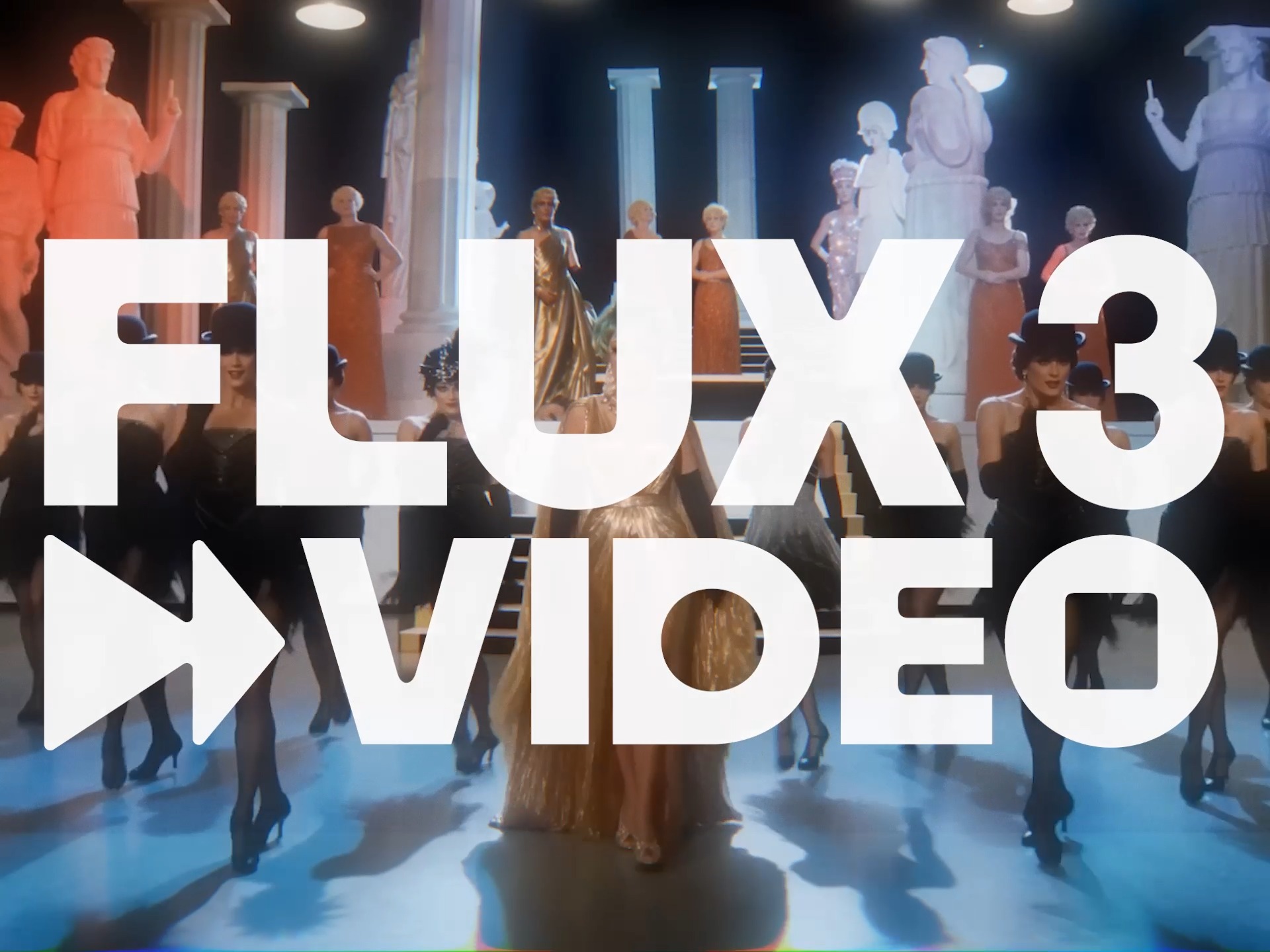
One pass, two senses
FLUX 3 is Black Forest Labs' first multimodal foundation model, trained jointly on images, video, and audio inside a single architecture rather than stitching separate models together. That is why the one-pass generation matters beyond convenience: the model that decides how a scene looks is the same model deciding how it sounds, so footsteps, ambience, and dialogue are generated in sync with the visuals rather than approximated after the fact. BFL launched FLUX 3 in late July and has been rolling the video model out through its API and partner platforms; Leonardo is now among them.
Consistent characters across chained shots
The feature Leonardo highlights first is consistency: keeping the same character and identity stable across chained multi-shot sequences. This has been the wall between AI video toys and usable storytelling tools. A 20-second clip is a shot; a character who survives from shot to shot is a story. Chaining sequences with a persistent protagonist opens up short narrative formats, serialized vertical video, product mascots, and recurring characters for a channel, without the face subtly morphing between cuts.
Dialogue in multiple languages, cinematic and documentary looks
Because audio is native to the model, FLUX 3 Video on Leonardo supports dialogue across multiple languages, generated with the scene rather than dubbed over it. Black Forest Labs says the model handles lip-synced dialogue in more than 14 languages. Leonardo is also leaning on the model's aesthetic range, calling out cinematic and documentary looks specifically. That pairing is telling: cinematic for stylized narrative work, documentary for the handheld, realistic register that tends to perform in short-form feeds.
Where it fits in a creator's workflow
Leonardo has built its platform around offering multiple models under one roof, and FLUX 3 Video slots in as the option for sound-on storytelling. The practical wins are concrete. A 20-second ceiling per clip covers most social cuts without stitching. One-pass audio removes an entire tool from the pipeline for mood pieces and ambient loops. Character consistency across chained shots means a three-scene story no longer requires shot-by-shot prompt surgery. If you have been generating silent clips in one tool and sound in another, this collapses the workflow into a single generation inside Leonardo.
FLUX 3 Video is live on Leonardo now. For creators already on the platform, the fastest way to judge it is the test that matters for your own work: chain two or three shots with the same character, in the style you actually publish, and listen to what comes out of the single pass.